Harvest 2026 Bordeaux
Small Berries, Big Vintage

A Vintage of Extremes
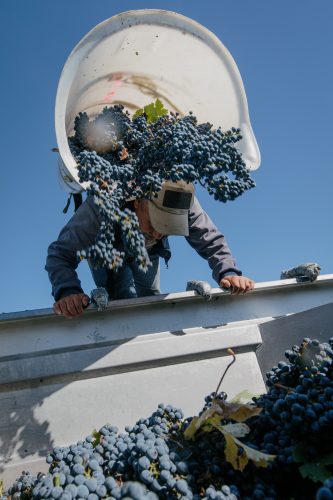
Bordeaux’s 2026 harvest began etreme early. Grapes for Crémant and white wines were picked from 6 August, while the red harvest at Château Montrose in Saint-Estèphe started around 25 August. In Saint-Émilion, Troplong Mondot began even earlier, on 19 August, which is also a record for the estate.
It was one of the earliest harvests ever recorded in Bordeaux. In a traditional year, the main harvest for the reds would normally start between mid-September and early October.
In Pauillac, Château Grand-Puy-Lacoste began on 31 August. Only one year earlier, 4 September 2025 had already been the earliest harvest in the estate’s history.
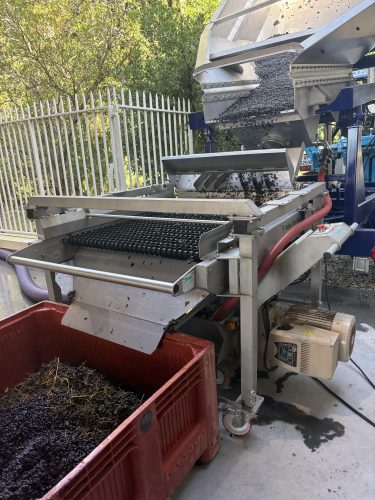
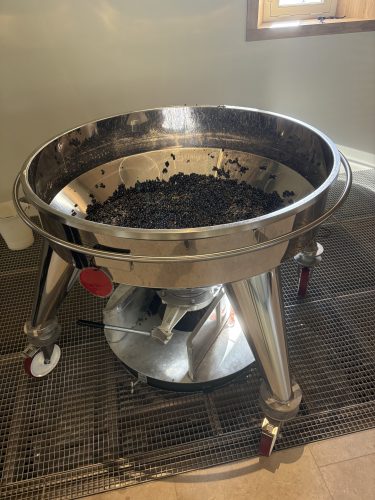
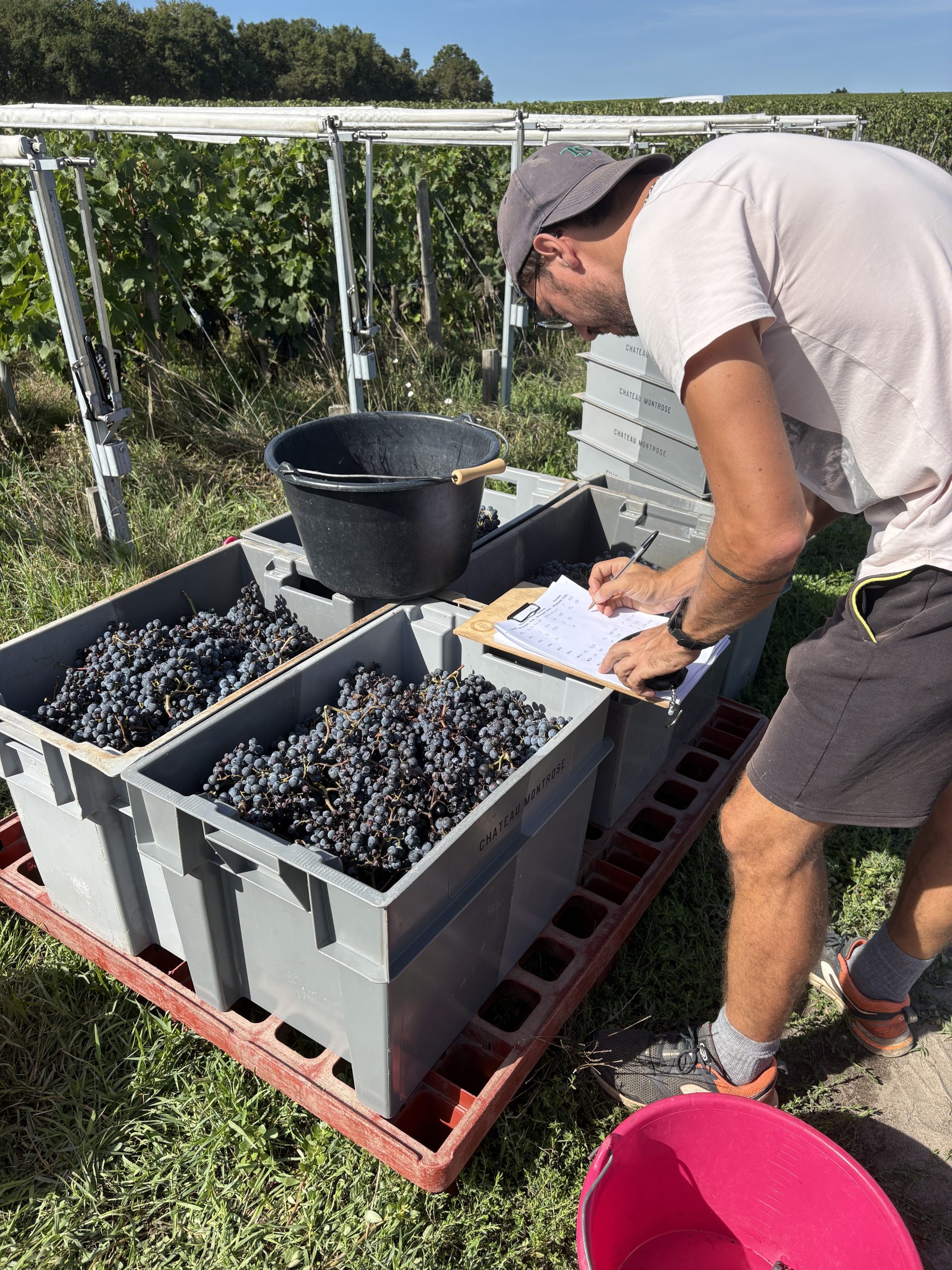
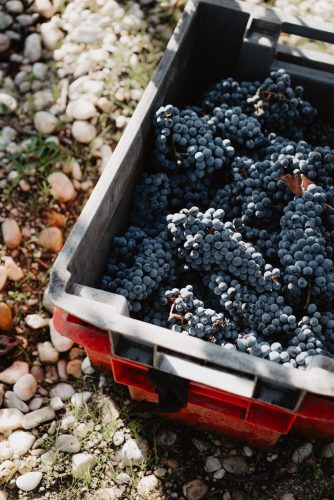
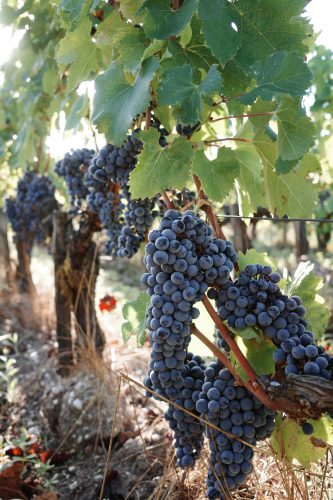
The heat and lack of water produced unusually small berries. At Château Montrose, berry weights were the lowest recorded since the estate started measuring them systematically in 2014. Small berries mean less juice, but also a higher proportion of skins, where much of the colour, tannin and flavour is found. The Merlot was giving up colour so easily that the team did not need to extract aggressively in the cellar.
Interestingly, small berries do not automatically mean a very small harvest. There were many bunches, partly compensating for their lower weight. Across Bordeaux, total production is expected to reach 3.524 million hectolitres, around 10% more than in 2025. However, 2025 was a particularly small harvest, and 2026 is still 11% below the recent five-year average.
So the first paradox of 2026 is already clear: very small grapes, but a larger Bordeaux harvest than last year.
A Growing Season of Heat, Drought and One Very Important Rainfall
The unusual harvest dates were the result of an unusual year from the beginning.
A mild winter encouraged an early start to the growing season. Vegetation was already developing at the beginning of March. March and April were extremely dry, followed by the first serious heat wave around the end of May.
Then the real heat arrived.
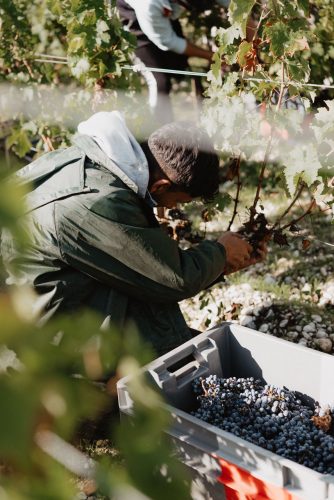
According to the chateaux’s there were four major heat periods, with temperatures during some of them rising above 43°C. From June until the beginning of August, there was almost no rain. Older vines generally managed better because their deeper root systems could reach water further underground. Younger vines suffered more.
The season brought further challenges. Merlot and Cabernet Sauvignon suffered from poor flowering in some parcels, followed by sunburn, water stress and, in parts of Bordeaux, hail in July. At that stage, some châteaux feared an unwelcome record: yields could be among the lowest ever.
Then August changed the picture.
Around approximataly 70-80 millimetres of rain fell in the Medoc. After months of drought the soils almost having turned into concrete. The rain restarted activity in vines that had almost stopped developing and helped the grapes continue their physiological ripening.
It helped control sugar levels and therefore potential alcohol.
Without that rain, alcohol levels could have moved towards 14% or more. Instead, the winemakers expects something closer to 13–13.5%, a level that can give the wine more freshness and drinkability.
And What About the Wildfires?
The large forest fires in Gironde naturally caused concern among international buyers. Could smoke from the fires affect the grapes and leave a smoky or ashy character in the wines? It is a reasonable question, especially after what happened in California in 2020.
During 2020, major wildfires burned through California wine country while the harvest was already underway. In parts of Napa and Sonoma, fires were extremely close to vineyards and heavy smoke remained in the region for long periods.
Bordeaux in 2026 was a different situation.
The fire was large, but the flames remained more than 20 km away from the major vineyards of the Médoc and Graves. The timing was also earlier in the ripening period than the most sensitive final days before harvest, and changing winds helped move the smoke away.
At Grand-Puy-Lacoste, Emeline Borie remembers seeing an enormous dark cloud and an almost strangely silent landscape. But there was no strong smell of smoke at the château and the team found no evidence of smoke damage in the grapes.
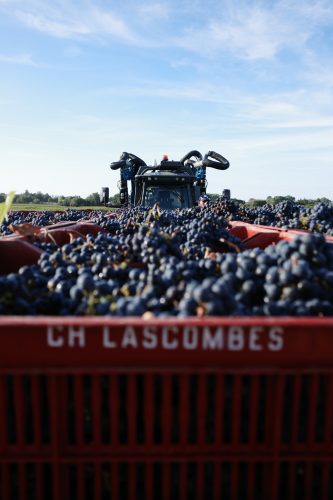
Axel Heinz winemaker and director of Chateau Lascombe reached the same conclusion. Smoke was noticed for only a short period, and the firest wines already fermenting showed no sign of smoke taint.
So although the images were dramatic, there is no indication that the fires will have a negative impact on the 2026 vintage.
Are Hot Years Becoming the New Normal in Bordeaux?
Hot vintages are nothing new in Bordeaux. The famous 2003, and more recent years such as 2022 and 2025, immediately come to mind. What is changing is how often producers now face heat, early ripening and serious water stress.
The harvest calendar makes this shift especially visible. Parcels that were commonly picked in late September in the 1990s can now be ready by the end of August.
But warmer conditions are not automatically bad news.
Cabernet Sauvignon needs a long, warm growing season to ripen fully. In the cooler Bordeaux climate of the past, reaching perfect maturity could be difficult in weaker vintages. According to Jean-Dominique Videau, Director of Château Branaire-Ducru, today’s warmer conditions allow Cabernet Sauvignon to ripen more reliably, with often positive results.
This helps explain why modern Médoc wines can show more power, riper tannins and more generous fruit, making them more approachable at a younger age.
For Bordeaux, the challenge is therefore not simply to fight warmer conditions, but to keep the benefits of better ripeness while preserving freshness, vine health and the long growing season that gives great wines their complexity.
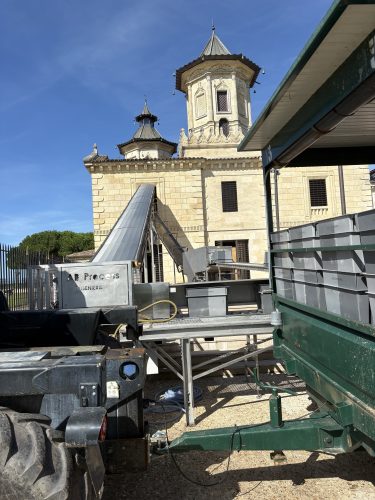
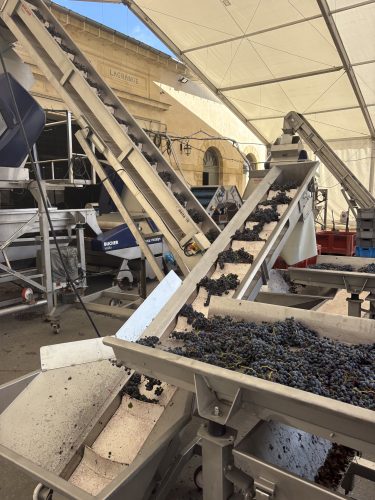
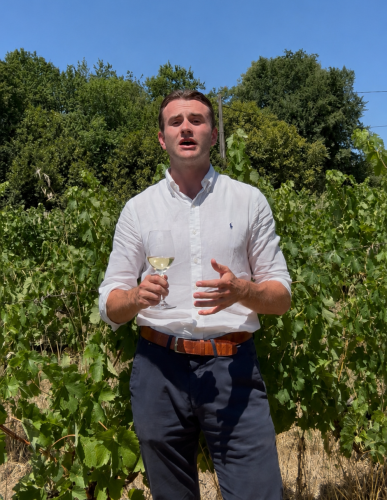
Meet the Team: Luca van Eyck
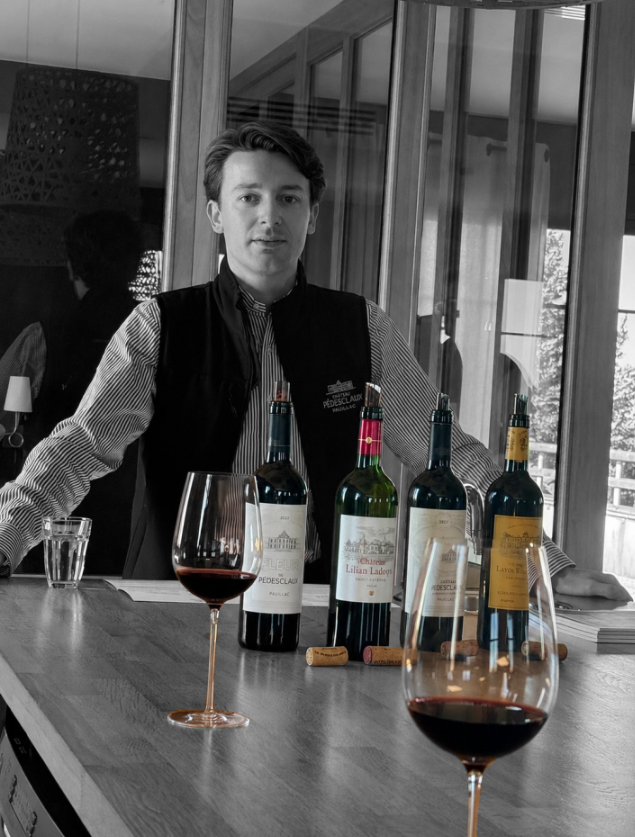
“On 2 September, I travelled to the Médoc to see how the harvest was progressing. I visited Grand-Puy-Lacoste, Montrose, Branaire-Ducru, Lagrange and Lascombes, speaking with winemakers and directors to get an early sense of the harvest and the character of the 2026 vintage.
It is still too early to draw firm conclusions, but the early signs of the 2026 vintage were very encouraging : extreme in the vineyard, yet surprisingly restrained and promising in the cellar. Small berries, deep colour, concentrated fruit, refined tannins and surprisingly fresh acidity point to an attractive combination of concentration and balance.
So my first impression is that 2026 has the potential to be a very strong vintage in the Médoc, with some echoes of 2022. The wines may offer an immediate generosity, while retaining enough freshness and structure to suggest excellent ageing potential.“
Bordeaux 2026 in Numbers
An exceptionally early harvest
- 6 August – Harvest begins for Crémant and dry white wines in Bordeaux
- 12 August – Château Montrose begins harvesting its white grapes
- 19 August – Troplong Mondot starts harvesting
- 25 August – Château Montrose begins its red harvest
- 31 August – Grand-Puy-Lacoste and Branaire-Ducru begin harvesting
An extreme growing season
- 4 major heatwaves – Bordeaux were repeatedly exposed to extreme heat throughout 2026
- 43°C – Temperatures reached during the heatwaves
- 70–80 mm – Rainfall in the Médoc in August, providing crucial relief after months of drought
Yield and wine
- +10% – Expected Bordeaux production compared with 2025, although still 11% below the five-year average
- 25-40 hl/ha – Estimated yields
- 12.5–13.5% – Expected potential alcohol
Comparable Hot-vintages:
- 2003, 2022 and 2025 – Other notably hot Bordeaux vintages of recent decades